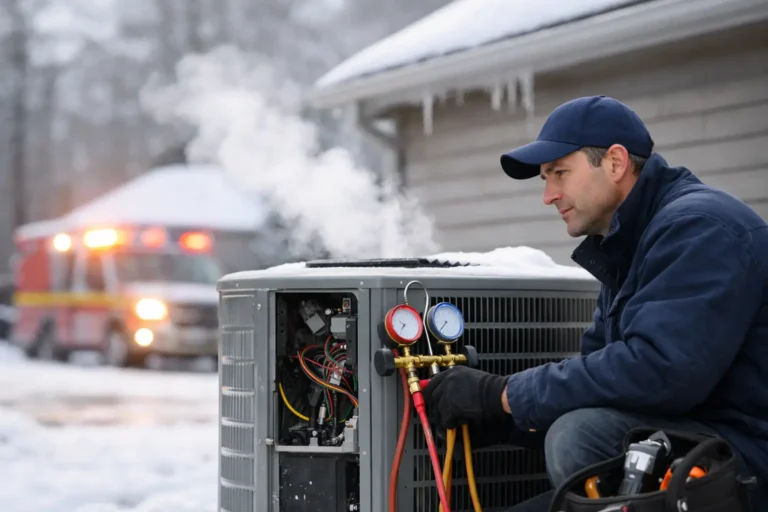
A gas smell near your furnace, water heater, fireplace, BBQ connection, or commercial kitchen is not a problem to monitor overnight. Gas line repair Burlington Ontario homeowners and property managers can rely on starts with the right response: get people away from the area, avoid creating a spark, and arrange qualified help from a safe location.
Natural gas is widely used because it heats efficiently and reliably. The piping and connections that supply it, however, need professional attention when something is damaged, leaking, improperly installed, or no longer performing as it should. A prompt, licensed repair protects your property, your occupants, and your ability to use essential equipment safely.
If You Suspect a Gas Leak, Act First
Natural gas has a sulphur-like odour added to make leaks easier to detect. If you smell rotten eggs, hear hissing near a gas appliance or pipe, or notice an unusual odour that becomes stronger indoors, treat it as a potential gas leak.
Leave the building or move well away from the suspected area. Do not turn lights, appliances, thermostats, or fans on or off. Do not use a phone inside the building, light a match, smoke, or start a vehicle nearby. Once you are at a safe distance, call 911 or your gas utility’s emergency number. A licensed gas technician can assess and repair the customer-owned piping or appliance connection once the immediate emergency has been addressed.
If there is no active emergency but you have concerns about a gas line, shut off the appliance only if you know how to do so safely and book a professional inspection. Guesswork is never worth the risk with gas piping.
Signs You May Need Gas Line Repair in Burlington Ontario
Not every gas line problem begins with a strong odour. Some issues appear as appliance performance concerns, visible wear, or repeated interruptions to your heating or hot water. A qualified technician can identify whether the cause is the gas supply, the appliance itself, venting, ignition components, or another part of the system.
Common reasons to arrange an inspection include a gas odour near an appliance, a hissing sound around a fitting, damaged or corroded exposed piping, and a gas shutoff valve that is difficult to operate. You may also need service after renovation work, accidental contact with a pipe, landscaping damage to an outdoor run, or the installation of a new gas appliance.
Pay attention to equipment changes as well. A furnace that will not stay running, a water heater that is not producing reliable hot water, or a fireplace that will not ignite may have several possible causes. The repair should begin with proper diagnosis, not the assumption that every no-heat issue is a gas line issue.
For commercial properties, warning signs can affect more than one appliance. A restaurant, retail space, apartment building, or office may have several gas-fired systems connected to the same supply arrangement. If equipment is operating inconsistently, do not allow staff or tenants to improvise repairs. Fast assessment helps limit downtime while keeping the building safe.
Why Professional Gas Repair Matters
Gas piping is not a typical do-it-yourself project. Repairs must account for the type and condition of the pipe, fitting compatibility, appliance demand, shutoff access, ventilation requirements, leak testing, and applicable Ontario safety requirements. A connection that looks secure can still leak if it has been installed incorrectly or disturbed over time.
A certified gas technician uses the correct testing methods to locate the issue and confirm the system is safe after the repair. Depending on the situation, this may involve inspecting accessible piping, checking appliance connections, testing pressure, replacing a damaged section, correcting a valve or connector, and verifying that the appliance operates properly afterward.
There is also a practical difference between repairing a small accessible connection and replacing a longer gas run. A loose fitting near a water heater may be resolved quickly once diagnosed. A corroded outdoor line, concealed pipe damage, or piping that needs to be extended for a new appliance can require more labour and materials. Clear diagnosis helps you understand the scope before work begins.
Licensed and insured service matters because gas work affects the safety of everyone in the property. It also helps landlords, facility managers, and business owners maintain a dependable record of work completed on their systems.
Common Gas Line Repairs and Upgrades
Residential and commercial gas systems serve different equipment, but the repair goals remain the same: safe fuel delivery, properly sized piping, secure connections, and dependable appliance operation.
A technician may repair or replace appliance connectors, shutoff valves, fittings, damaged pipe sections, or outdoor gas lines. They may also investigate gas supply concerns related to furnaces, boilers, water heaters, fireplaces, ranges, dryers, pool heaters, patio heaters, and BBQ hookups.
Sometimes a repair call identifies a capacity issue rather than a leak. For example, adding a gas range, tankless water heater, high-efficiency furnace, or outdoor appliance may require a review of the existing gas line sizing. The current line may be suitable for the equipment already in place but not for added demand. In that case, a properly planned installation or upgrade is safer than forcing a new appliance onto an undersized run.
Older homes can present their own considerations. Accessible basement piping may be straightforward to inspect, while finished walls, additions, or past renovations can make routing and access more involved. Commercial buildings may require careful scheduling to reduce disruption to tenants, customers, or operations. The best repair approach depends on the property and the equipment connected to the system.
What to Expect From a Service Visit
A professional gas line service call should be direct and methodical. The technician begins by discussing what you have noticed, where the concern is located, and which appliances are affected. They then inspect the relevant piping and connections, identify the source of the issue where possible, and explain the recommended repair.
For urgent concerns, the priority is making the area safe. For planned work, such as a BBQ line, fireplace connection, or appliance relocation, the focus is on correct routing, suitable shutoff access, secure installation, and testing before the equipment is put into service.
You should feel comfortable asking what failed, why it failed, what work is being completed, and whether maintenance or a future upgrade should be considered. Transparent recommendations are especially useful when a small repair reveals aging components or piping that no longer suits the property’s needs.
AirTemp HVAC provides gas-system service alongside furnace, air conditioner, heat pump, and water heater support, which can be helpful when a gas concern affects comfort equipment. One qualified local service team can assess the connection between the gas supply and the appliance instead of treating them as separate problems.
Prevent Problems Before the Heating Season
Preventative maintenance cannot prevent every gas line issue, particularly accidental damage or sudden component failure. It can, however, help identify concerns before they become an after-hours emergency. Annual furnace and water heater service gives a technician an opportunity to inspect accessible gas connections and confirm that gas-fired equipment is operating as expected.
Keep the area around gas appliances clear and accessible. Do not hang items from pipes, use gas piping as a support, or store combustible materials near furnaces, water heaters, and fireplaces. If you are planning renovations, tell your contractor where gas appliances and known piping are located before walls, floors, decks, or landscaping are opened.
For outdoor BBQ lines and patio equipment, inspect visible piping for physical damage at the start of the season and after major weather events or yard work. If a connector, valve, or pipe has been bumped, bent, or corroded, arrange service before using the appliance.
A gas line problem deserves a calm but urgent response. Leave suspected leaks to emergency professionals, and use certified gas service for repairs, upgrades, and appliance connections. Acting early can keep a minor piping issue from becoming a serious interruption to comfort, business operations, or safety.