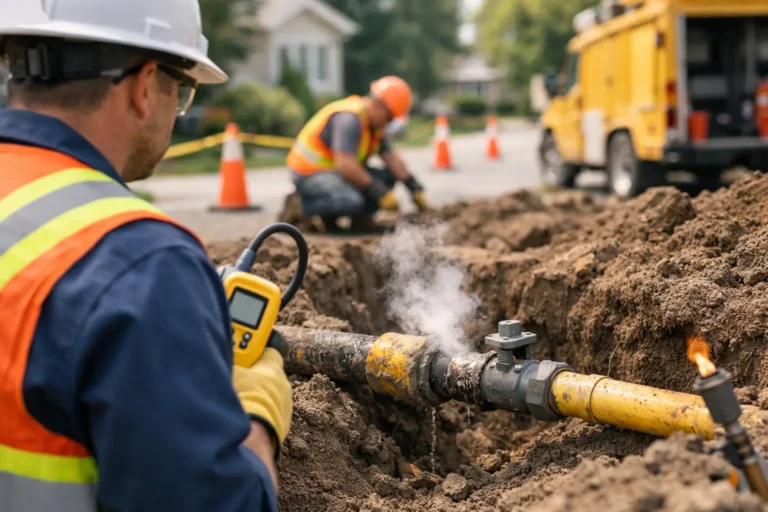
A furnace rarely chooses a convenient time to fail. It may start with a cold room, a thermostat that never reaches the set temperature, or a new noise from the basement just as outdoor temperatures drop. Prompt furnace repair protects more than comfort. It can prevent a small mechanical issue from becoming a no-heat emergency, higher energy bills, equipment damage, or a safety concern.
For homeowners, landlords, and property managers, the right response depends on the symptom. Some checks are safe to make before calling for service. Others, especially anything involving gas, burning smells, repeated shutdowns, or carbon monoxide concerns, require immediate professional attention.
When Furnace Repair Cannot Wait
If your furnace will not start, runs but blows cool air, or cycles on and off without heating the building, arrange service as soon as possible. A home can lose heat quickly during a Southern Ontario cold snap, and frozen plumbing becomes a real risk when indoor temperatures fall.
Certain signs call for more than a routine appointment. Turn the furnace off if it is safe to do so and seek urgent help when you notice a gas smell, a burning or electrical odour that does not disappear quickly, smoke, sparks, a yellow or flickering burner flame, or a carbon monoxide alarm. Leave the building immediately if you suspect a gas leak or carbon monoxide issue. Do not try to locate the leak, relight the furnace, or continue operating the equipment.
A furnace that repeatedly trips a breaker, leaks water around the unit, makes loud banging or metal-on-metal sounds, or has a damaged vent connection also needs a licensed technician. Continuing to reset the system can worsen the fault and make diagnosis more difficult.
A furnace that runs but does not heat
This is one of the most frustrating calls because the system appears to be working. The blower may be moving air, but the furnace is not completing its heating cycle. Causes can range from a restricted air filter or thermostat setting to an ignition failure, flame-sensing issue, pressure-switch problem, or a fault in the gas supply or venting system.
Start with the simple checks. Confirm the thermostat is set to Heat and is set above the current room temperature. Check that the furnace switch is on and that the breaker has not tripped. If the filter is visibly dirty, replace it with the correct size and type. Then give the system a few minutes to restart. If it still supplies cold air or shuts down again, book service rather than repeatedly cycling power.
Strange sounds are not just background noise
A brief whoosh at startup and steady airflow are normal. New, persistent, or loud noises are not. Rattling can point to a loose panel or component. Squealing may involve a blower motor or belt on older equipment. Grinding can indicate a worn motor bearing. Booming at ignition may occur when delayed ignition allows gas to build up before lighting.
The trade-off is simple: a small sound may be a minor adjustment today, but an ignored mechanical issue can damage more expensive parts tomorrow. A technician can identify whether the problem is a loose fitting, a worn component, or a combustion issue that should not be delayed.
Common Causes of Furnace Problems
Furnaces rely on airflow, electrical controls, ignition, fuel delivery, and safe exhaust venting. A failure in any one area can stop the system or reduce its performance. That is why a proper diagnosis matters. Replacing a part without confirming the source of the problem can create unnecessary cost and leave the original issue unresolved.
Restricted airflow is among the most common causes of preventable service calls. A clogged filter makes the furnace work harder, reduces heat delivery, and can cause overheating. Closed or blocked supply vents, return-air obstructions, and a dirty blower can create similar symptoms. Keep furniture, boxes, and drapes away from vents and return grilles, particularly in utility areas and rental properties where access may be limited.
Ignition and flame-sensing problems are also common. Modern furnaces use electronic ignition systems rather than standing pilot lights. When an igniter is worn, a flame sensor is dirty, or a safety control detects an unsafe condition, the furnace may attempt to start and then shut down. You may hear several startup attempts or see the unit run briefly before it stops.
High-efficiency furnaces also produce condensation during normal operation. A blocked condensate drain, frozen line, or failed condensate pump can trigger safety switches and stop heating. The problem may look minor from the outside, but the cause needs to be corrected properly so water does not damage the furnace or nearby finishes.
Safe Checks Before You Call for Service
A few homeowner checks can save time and help explain the issue clearly. Check the thermostat settings, replace a dirty filter, verify the furnace switch and breaker, and make sure exterior intake and exhaust pipes are not blocked by snow, ice, leaves, or debris. Never insert objects into vent pipes or attempt to remove a blockage that is frozen in place.
If your furnace has a small diagnostic light, note its colour and flash pattern. This information can help a technician narrow down the problem, but it is not a substitute for a diagnosis. Error codes often identify the safety circuit that stopped the furnace, not necessarily the failed part.
Avoid removing sealed panels, touching wiring, adjusting gas valves, or bypassing safety switches. These components exist to prevent fire, electrical, combustion, and carbon monoxide hazards. Furnace work involving gas connections, burners, venting, or electrical repairs should be handled by trained, licensed professionals.
What to Expect From a Professional Furnace Repair Visit
A good repair visit starts with listening. The technician should ask when the problem began, whether it is constant or intermittent, what sounds or smells you noticed, and whether the furnace has been serviced recently. If the issue happens only overnight or during very cold weather, mention that too. Those details can be useful clues.
The inspection should assess the furnace as a complete operating system. That can include thermostat operation, filter condition, electrical connections, ignition sequence, blower performance, flame characteristics, safety controls, drainage, gas-related components, and venting. The goal is not simply to make the furnace start. It is to confirm that it runs safely and reliably.
After diagnosis, you should receive a clear explanation of the issue, the recommended repair, and the expected cost before work proceeds. In some cases, a repair is the practical choice. In others, especially with an older furnace that needs frequent service or has a major component failure, replacement may offer better long-term value. The decision depends on the unit’s age, condition, repair history, efficiency, and the size of the repair compared with the value of dependable heat.
Preventing the Next No-Heat Call
Most furnace breakdowns are not completely predictable, but maintenance reduces avoidable problems. Replace filters regularly based on the filter type, household conditions, pets, and system use. A heavily used system may need more frequent changes than the filter packaging suggests. Check outdoor furnace vents after storms and keep the utility area clear.
An annual inspection before heating season is the best time to address worn parts, airflow restrictions, combustion concerns, and drainage problems before they become urgent. This is especially valuable for landlords and commercial property managers responsible for multiple occupants, where a heating interruption can affect several units or disrupt business operations.
For properties in Burlington, Oakville, Hamilton, Milton, Mississauga, Waterdown, St. Catharines, and Freelton, fast access to qualified help matters when temperatures fall. AirTemp HVAC provides licensed and insured furnace service focused on safe operation, clear recommendations, and dependable heat when you need it.
Do not wait for a minor change in performance to become a cold-house emergency. If your furnace is making new noises, heating unevenly, cycling repeatedly, or showing any sign of unsafe operation, arrange an inspection while the repair is likely to be simpler and less disruptive.