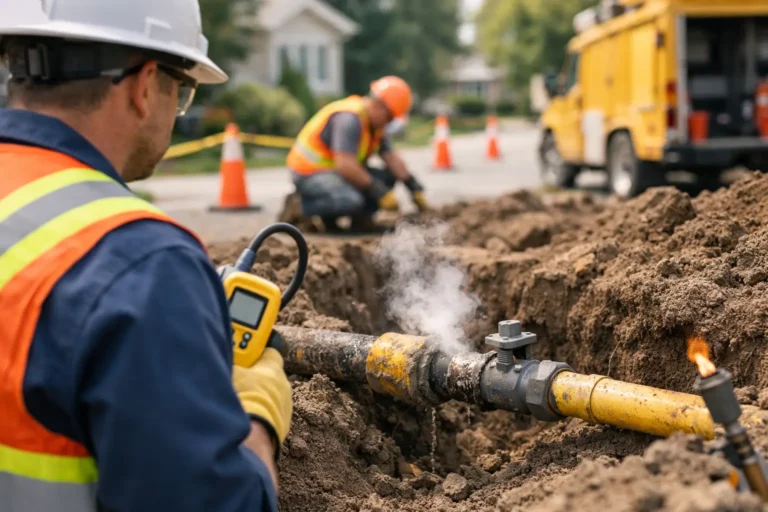
A failed rooftop unit at 8 a.m. can mean uncomfortable staff, frustrated customers, unhappy tenants, spoiled inventory, and a business day spent reacting instead of operating. Commercial HVAC repair is not simply about getting warm or cool air back. It is about protecting the safety, productivity, and reputation of your property.
For offices, retail spaces, restaurants, warehouses, clinics, and multi-unit buildings, small performance changes can turn into expensive interruptions quickly. Acting early gives a technician more options, often reduces repair costs, and helps prevent a complete system shutdown when demand is highest.
When Commercial HVAC Repair Cannot Wait
Some HVAC issues can be monitored until a scheduled service visit. Others require same-day attention, particularly when they affect occupant safety, critical operations, or a gas-fired appliance.
Call for prompt service when your heating or cooling system will not start, repeatedly trips a breaker, produces burning or electrical odours, leaks water into occupied areas, or stops maintaining a safe indoor temperature. A sudden rise in noise is another warning sign. Grinding, banging, squealing, or metal-on-metal sounds can point to loose components, failing motors, worn belts, or airflow problems that may become worse if the equipment continues to run.
Gas-related concerns need an even faster response. If you smell gas, hear hissing near a gas line or appliance, or suspect a carbon monoxide issue, leave the area if it is safe to do so and follow emergency procedures. Do not attempt to diagnose or repair gas equipment yourself. Licensed, insured service matters because the cause may involve the appliance, venting, controls, or gas piping.
Temperature complaints are also worth taking seriously before they become an emergency. One hot boardroom, a cold retail entrance, or a poorly ventilated work area may signal a zoning issue, blocked airflow, failing controls, duct problems, or equipment that is beginning to lose capacity.
Common Problems Behind a Commercial HVAC Breakdown
Commercial equipment works harder than most people realize. Long operating hours, frequent door openings, cooking loads, server rooms, variable occupancy, outdoor exposure, and neglected filters all place added strain on heating and cooling systems.
Restricted airflow is one of the most common causes of poor performance. Dirty filters, blocked outdoor coils, clogged indoor coils, damaged ductwork, or closed dampers can force a unit to run longer while delivering less conditioned air. The result is uneven temperatures, higher hydro bills, and unnecessary wear on compressors, blowers, and heat exchangers.
Electrical and control problems are another frequent source of service calls. A failed capacitor, contactor, relay, thermostat, sensor, control board, or wiring connection can prevent a unit from starting or make it cycle on and off improperly. These parts may be relatively small, but they directly affect whether the system can operate reliably.
Refrigerant issues require proper diagnosis rather than a quick top-up. If an air conditioner or heat pump is low on refrigerant, there may be a leak that needs to be found and repaired. Adding refrigerant without addressing the underlying issue can provide temporary cooling but does not solve the problem.
For commercial furnaces, boilers, make-up air units, and other gas-fired systems, combustion, ignition, venting, and safety controls must be checked carefully. A unit that locks out repeatedly is communicating that something is wrong. Resetting it again and again without a proper inspection can create a larger repair and leave occupants without heat when outdoor temperatures drop.
What a Proper Commercial HVAC Repair Visit Should Cover
The fastest repair is not always the best repair. Replacing a visible failed part without checking why it failed can lead to another breakdown shortly afterward. A qualified technician should assess the equipment condition, operating sequence, airflow, electrical supply, and relevant safety controls before recommending a repair.
The exact process depends on the equipment and symptoms. For a cooling call, this may include checking filters, blower operation, condensate drainage, coil condition, electrical components, refrigerant pressures, and thermostat or building control signals. For heating equipment, the inspection may include ignition, flame operation, venting, heat exchanger condition, pressure switches, gas connections, and carbon monoxide safety checks.
Clear communication is part of good service. Property owners and facility managers should know what failed, what repair is recommended, whether there are related concerns, and what can reasonably wait. There is a difference between an immediate safety repair, a repair needed to restore operation, and a maintenance item that should be budgeted for the near future.
In older systems, a repair-versus-replacement discussion may be necessary. Repair is often the sensible choice when the unit has many useful years left and the issue is isolated. Replacement may make more financial sense when breakdowns are recurring, major components have failed, efficiency has dropped significantly, or replacement parts are becoming difficult to obtain. The right decision depends on equipment age, repair history, operating hours, business needs, and the cost of downtime, not age alone.
Reduce Calls With Commercial HVAC Maintenance
Preventative maintenance will not eliminate every failure, but it catches many issues before they interrupt operations. It is especially valuable for properties with seasonal peaks, tenant obligations, high customer traffic, sensitive inventory, or equipment that runs for extended hours.
A useful maintenance plan is built around the actual equipment and its workload. A small office with regular hours has different needs than a restaurant, medical space, warehouse, or mixed-use commercial building. Systems exposed to grease, dust, construction activity, frequent loading-bay door use, or heavy occupancy may need more frequent filter changes, coil cleaning, and inspections.
Routine service commonly focuses on filter condition, belts, motors, bearings, electrical connections, drains, coils, refrigerant performance, combustion, venting, and controls. Seasonal inspections before cooling and heating demand arrive give you time to correct deficiencies on your schedule instead of during an urgent call.
Facility managers can also help by keeping basic service records. Note when complaints occur, which areas are affected, the weather conditions, error codes, unusual sounds, and any recent changes to the space. Information such as a new tenant layout, added kitchen equipment, renovations, or new heat-producing equipment can help identify the real source of an HVAC problem.
Practical Steps Before You Call for Service
A few observations can make a service call more efficient, but they should never put staff or occupants at risk. Confirm whether the issue affects the entire property or one zone, and check whether the thermostat or control has been changed accidentally. If your maintenance team is trained and it is safe to do so, confirm that accessible filters are not visibly blocked and that supply and return vents have not been covered.
Avoid opening electrical panels, accessing rooftop equipment without proper procedures, bypassing safety switches, or repeatedly resetting breakers and lockouts. These actions can cause injury, damage equipment, or hide the actual fault from the technician.
When you call, be ready to describe the equipment type, make and model if available, the symptoms, when they began, and whether the unit is making unusual noises or displaying an error code. Also explain how the problem is affecting your operations. A no-cooling call in a server room, food-service area, tenant space, or customer-facing store may need to be prioritized differently than a minor comfort complaint in an unused area.
Choosing a Commercial HVAC Repair Partner
Commercial properties need more than a contractor who can respond to a single breakdown. Look for licensed and insured technicians who can work across heating, cooling, ventilation, and gas-related systems, communicate clearly with property decision-makers, and provide responsive support when a problem cannot wait.
Local availability matters when your business is dealing with an urgent no-heat or no-cooling situation. For commercial property owners and managers in Burlington and nearby service areas, AirTemp HVAC Heating & Air Conditioning provides same-day and 24/7 emergency repair support along with planned maintenance for long-term equipment care.
The best time to address a commercial HVAC concern is usually when the first warning appears, not after customers, tenants, or employees are already feeling the effects. A prompt inspection can turn an uncertain system into a clear repair plan and keep your business focused on the work it needs to do.