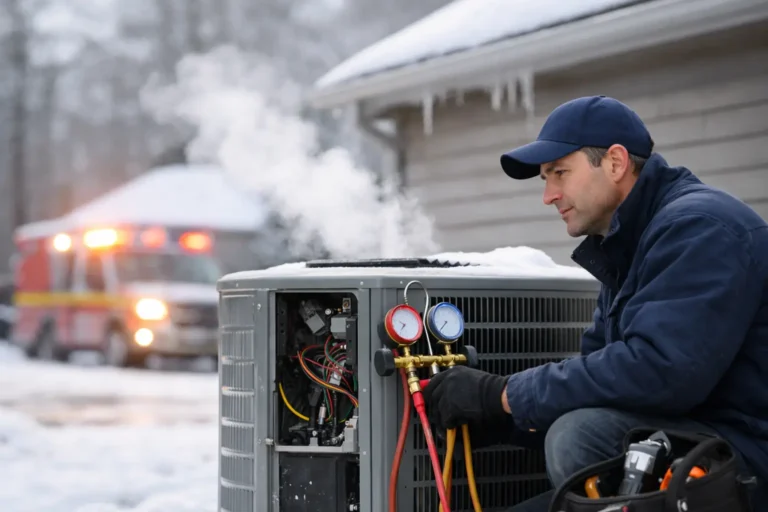
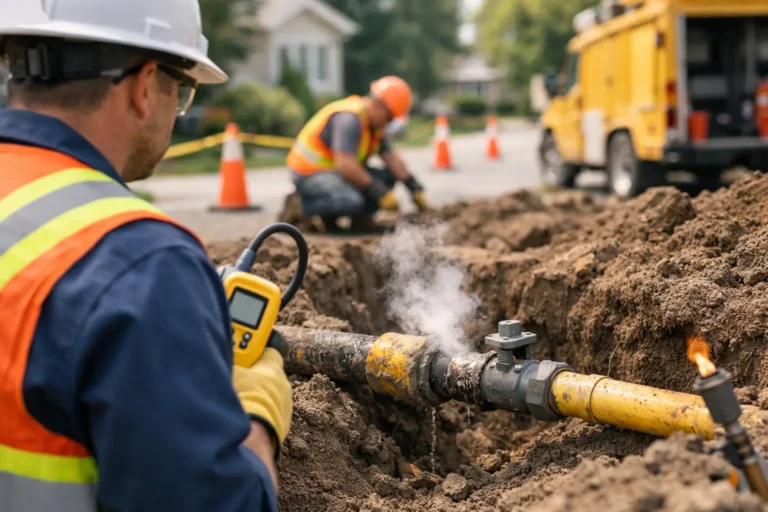
A gas furnace, water heater, fireplace, range, or patio heater can provide dependable comfort, but every fuel-burning appliance needs a safe path for combustion gases. This gas appliance ventilation guide explains what homeowners and property managers should look for, what should never be ignored, and when licensed service is the right next step.
Gas appliances do not simply produce heat. They also create combustion byproducts, including carbon monoxide, water vapour, and carbon dioxide. Proper venting moves those byproducts outdoors while the appliance draws in the air it needs to burn fuel correctly. When that process is disrupted, the issue can affect safety, comfort, equipment life, and indoor air quality.
How Gas Appliance Ventilation Works
Most gas appliances fall into one of three broad venting arrangements. Conventional natural-draft equipment sends warm exhaust up a metal vent or chimney. Power-vented equipment uses a fan to push exhaust outdoors. Direct-vent fireplaces and many high-efficiency furnaces use sealed piping to bring combustion air in and send exhaust out, usually through an exterior wall.
The venting method matters because each system has different clearance, termination, slope, sizing, and installation requirements. A vent pipe that looks secure is not automatically safe. It must be the correct material for the appliance, connected properly, free of corrosion, and sized to carry exhaust outside under normal operating conditions.
Older homes may have a furnace or water heater connected to a shared chimney. Renovations, replacement equipment, tightly sealed windows, powerful kitchen fans, or changes to another appliance can alter how that chimney drafts. This is one reason a new appliance installation should include a full venting assessment rather than a simple equipment swap.
Why Proper Venting Cannot Be Treated as a Small Repair
Poor ventilation can cause combustion gases to spill back into a basement, utility room, garage, living area, or commercial space. Carbon monoxide has no colour or odour, which is why people cannot rely on smell to identify every dangerous situation. It can cause headaches, dizziness, nausea, confusion, and fatigue. Higher exposure can become life-threatening.
Venting failures may also leave behind excess moisture. You may notice condensation around windows, dampness near vent connections, rust on appliance components, or staining around a chimney area. While moisture alone does not confirm a venting failure, it is a reason to have the system inspected.
A correctly vented appliance also tends to operate more reliably. Restricted exhaust paths can lead to shutdowns, poor heating performance, ignition problems, or repeated service calls. Addressing the source of the problem protects more than the appliance itself. It helps protect the people who rely on it.
Warning Signs That Need a Professional Inspection
A fuel-burning appliance does not need to stop working completely before it requires attention. Call for service if you notice recurring pilot or burner problems, unusual odours while equipment runs, soot around a fireplace or appliance, rusting vent connectors, moisture near the equipment, or a vent pipe that has come loose.
Other signs can be less obvious. A room that feels stuffy when the furnace or fireplace runs, a water heater that frequently shuts off, or a carbon monoxide alarm that activates should never be dismissed as a nuisance. Repeated false assumptions can turn a manageable repair into an urgent safety issue.
If a carbon monoxide alarm sounds, get everyone outside into fresh air immediately and call emergency services from a safe location. Do not re-enter the building until responders say it is safe. If you smell gas, do not use switches, phones, appliances, or open flames inside. Leave the property and contact emergency services or the gas utility from outside.
Common Ventilation Problems in Homes and Commercial Properties
Blocked exterior terminations are common in Southern Ontario, particularly after snow, windstorms, landscaping work, or nesting activity. High-efficiency furnace and water-heater pipes must remain clear. Snow buildup, leaves, debris, or ice can restrict airflow and cause the appliance to lock out.
Damaged venting is another concern. Metal vent pipes can corrode over time, especially where moisture is present. Joints may separate, supports may loosen, and a connection may be altered during unrelated renovation work. A vent system should not be taped, patched casually, or routed with makeshift materials.
Backdrafting is also a serious possibility with natural-draft appliances. It occurs when combustion gases fail to travel up the vent as intended and instead spill into the room. Large exhaust fans, clothes dryers, range hoods, bathroom fans, and a tightly sealed building can all affect indoor pressure. The cause is not always obvious, so professional testing is needed.
Commercial spaces can face additional demands. Restaurants, retail spaces, offices, and multi-unit properties often have more complex ventilation, occupancy patterns, and equipment loads. A problem in a mechanical room can affect tenants, staff, customers, and daily operations. Regular inspection helps property managers avoid an unexpected shutdown during cold weather.
Gas Appliance Ventilation Guide: What You Can Check Safely
Property owners can perform simple visual checks without removing panels, disconnecting pipes, or adjusting gas controls. Keep exterior vent openings clear of snow, leaves, stored items, and vegetation. Look for obvious damage to accessible vent piping, but do not touch hot surfaces or attempt repairs yourself.
Keep the area around furnaces and water heaters clean and open. Do not use a mechanical room as a storage space for paint, gasoline, solvents, cardboard, or other combustible materials. These items create fire risks and can interfere with the air an appliance needs for safe combustion.
Test carbon monoxide alarms according to the manufacturer instructions and replace batteries when required. Alarms are essential protection, but they do not replace inspection and maintenance. A detector alerts you to a problem. Proper service helps prevent one.
Pay attention after changes to your property. A new basement renovation, kitchen exhaust fan, fireplace installation, replacement windows, or enclosed utility area can change airflow. Before renovating near gas equipment or vent pipes, have a licensed professional review the plan.
What Not to Do
Do not cover a vent opening to stop a draft, reduce noise, or improve the appearance of an exterior wall. Do not extend, shorten, relocate, or combine vent pipes without confirming that the appliance manufacturer requirements and applicable gas codes allow it.
Avoid using an unvented gas appliance in an enclosed area unless it is specifically designed and approved for that use. Portable propane heaters, gas-fired construction heaters, and outdoor cooking equipment can create major carbon monoxide and moisture risks indoors.
It is also unwise to keep restarting an appliance that repeatedly shuts down. Modern furnaces and water heaters often lock out to protect the system when they detect unsafe operating conditions. Resetting the equipment may restore heat briefly, but it does not correct a blocked intake, failed inducer, pressure issue, or venting problem.
When to Book Maintenance or Repair
Annual maintenance is a practical time to assess venting, burners, heat exchangers, safety controls, condensate drains, and combustion performance. For rental and commercial properties, scheduled inspections also provide a clearer maintenance record and reduce the chance of disruptive equipment failure.
Book a licensed inspection promptly if you are replacing a furnace, water heater, or gas fireplace. New high-efficiency equipment may use different vent materials and routing than older models. The right installation considers the appliance, the building layout, available combustion air, and safe exterior termination locations.
For urgent concerns, same-day service can make the difference between a short interruption and an unsafe situation. AirTemp HVAC serves Burlington and surrounding communities with licensed and insured gas, heating, and ventilation service for homes and commercial properties.
Your gas appliances should deliver heat and hot water without becoming a source of worry. If something looks damaged, sounds unusual, keeps shutting down, or triggers a carbon monoxide alarm, treat it as a reason to act promptly rather than a problem to watch.