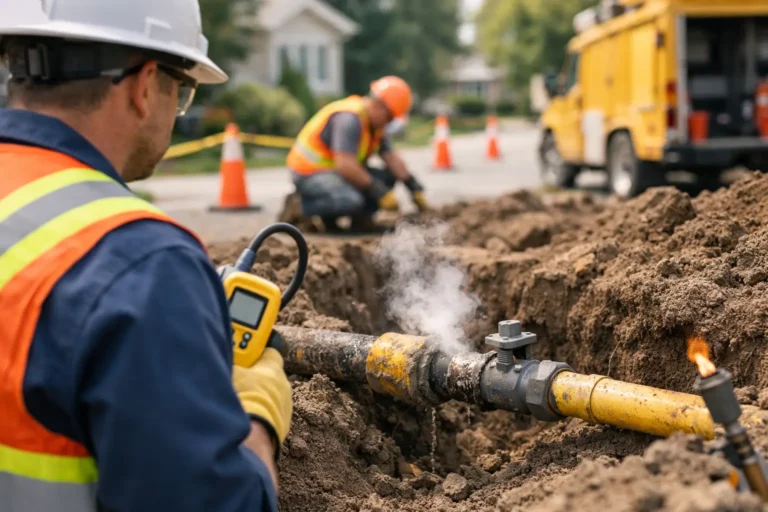
A new gas BBQ, a fireplace that will not stay lit, or a furnace shutoff can look like a small household issue. It is not always small. A qualified gas fitter handles the piping, connections, controls, and safety checks that keep natural gas appliances operating safely in your home or commercial property.
Gas work should never be treated as a trial-and-error repair. Natural gas is an efficient, dependable fuel for heating, hot water, cooking, and outdoor living, but the system behind each appliance must be installed and tested correctly. When something changes, leaks, fails to ignite, or needs to be added, licensed service protects your property, the people in it, and the equipment you depend on.
What a gas fitter does
A gas fitter is trained to install, modify, repair, and test gas piping and connected gas appliances within their approved scope of work. In practical terms, this can include running a new gas line for a furnace, water heater, range, fireplace, pool heater, patio heater, or BBQ. It can also involve diagnosing a gas leak, replacing damaged piping, correcting an unsafe connection, or confirming that a newly installed appliance has the gas supply it needs.
The work is more involved than attaching a flexible connector. Pipe sizing has to match the appliance load and the length of the run. Shutoff valves must be accessible. Connections need to be sealed and tested. Combustion appliances also require proper venting and adequate air supply. A line that is undersized may leave a furnace, water heater, or fireplace starved for fuel when more than one appliance runs at once. A poorly installed connection can create a far more serious problem.
For property owners, the value of professional gas service is straightforward: the work is completed with safety, code requirements, and dependable operation in mind. It also helps avoid costly corrections after a renovation, appliance upgrade, or inspection.
When you need a gas fitter
Some calls are obvious, such as a suspected gas leak. Others arise during routine upgrades. If you are adding or relocating any gas-fired appliance, arrange for qualified gas work before the appliance is connected. This includes finishing a basement, renovating a kitchen, replacing an electric appliance with a gas model, or creating an outdoor cooking area.
A new gas line may be required when an existing line does not have enough capacity. For example, a home with a furnace and water heater may need a properly sized branch line before adding a gas fireplace or high-output BBQ. Trying to extend an existing line without assessing the full system can affect appliance performance throughout the property.
Repairs also call for a professional when you notice corroded pipe, loose fittings, a shutoff valve that will not operate properly, repeated pilot or ignition problems, or an appliance that starts but does not stay on. Not every ignition issue is caused by the gas line – it may be a sensor, igniter, control board, venting concern, or fuel-supply problem. Proper diagnosis matters because replacing parts without identifying the cause can waste time and money.
For landlords, facility managers, and small-business owners, gas work deserves particular attention before a tenant turnover, renovation, or equipment replacement. A restaurant-style range, rooftop unit, unit heater, commercial water heater, or multiple-suite heating system can place more demand on the gas supply than a typical home appliance. Coordinating qualified gas and HVAC service helps prevent disruptions to tenants, staff, and customers.
Gas appliance installations are not plug-and-play
Gas fireplaces, water heaters, furnaces, and outdoor appliances all have their own installation requirements. The gas connection is one part of the job. Clearances, venting, combustion air, drainage, electrical components, and manufacturer specifications may also be involved.
Take a gas fireplace as an example. A clean-looking installation still needs the correct line size, shutoff arrangement, vent configuration, and safety testing. With a furnace or water heater, installation quality affects not only ignition but also efficiency, comfort, and the appliance’s service life. A qualified technician looks at the complete system rather than treating the gas connection as an isolated task.
Signs of a gas problem that need fast action
Natural gas is odorized to help people detect a leak. If you smell a sulphur-like or rotten-egg odour, hear hissing near a gas line or meter, or suspect gas is escaping, act immediately. Do not try to locate the leak yourself or attempt a repair.
- Leave the building or immediate area and keep others away.
- Do not use flames, light switches, appliances, vehicles, or electrical devices near the suspected leak.
- Call emergency services and your gas utility from a safe location.
- Once the immediate hazard has been addressed, arrange for a licensed professional to inspect and repair the affected gas system.
A gas odour is not a situation to monitor overnight or wait on until regular business hours. Fast action is the safest choice. For urgent heating or gas equipment concerns that do not involve an active leak, same-day or 24/7 emergency service can help restore safe operation without leaving a property without essential heat or hot water.
Why permits, testing, and licensed work matter
It can be tempting to view gas work as a simple way to save on a renovation budget. The trade-off is not worth it. Unlicensed or incomplete work can create safety risks, delay an inspection, affect insurance questions, and add unexpected costs when a future technician has to correct the installation.
Professional gas service includes more than fitting pipe together. Technicians assess the supply, select suitable materials, make secure connections, pressure-test or leak-test as required, and verify appliance operation. Where permits or inspections apply, those steps should be handled properly rather than skipped for convenience.
This matters when you sell, lease, refinance, or renovate a property as well. Documented, properly completed work gives owners and managers a clearer record of what was changed and why. It also makes future maintenance easier because the next technician is working from a safer, more predictable installation.
Choosing the right gas fitter for the job
Ask whether the contractor is licensed and insured for the work required, especially when the project includes a furnace, water heater, fireplace, or new gas-line installation. It is also worth asking how the line will be sized, whether the appliance connection and safety testing are included, and what happens if an issue is found with existing piping.
Price matters, but a quote should be clear about the scope. The lowest number may not include permits, shutoff valves, venting work, gas-line upgrades, appliance setup, or repairs to an existing deficiency. A clear assessment before work begins helps you compare value fairly and avoid surprises later.
For a property with both heating and gas needs, one qualified local team can simplify the process. AirTemp HVAC Heating & Air Conditioning supports homeowners and commercial properties in Burlington and nearby communities with gas-line work, furnace service, water heater connections, fireplaces, and other HVAC needs. That broader perspective is useful when a gas issue affects comfort equipment rather than a single appliance alone.
Keep gas systems on the maintenance plan
Gas piping itself may not need frequent adjustment, but connected equipment does need regular attention. Annual furnace inspections, water heater service, fireplace checks, and preventative HVAC maintenance can identify worn parts, venting concerns, irregular ignition, or operating issues before they become an after-hours failure.
The right schedule depends on the equipment, its age, how heavily it is used, and whether the property is residential or commercial. A busy commercial kitchen or multi-unit property may require closer oversight than a lightly used home fireplace. The practical goal is the same: address small concerns early, keep appliances operating as intended, and avoid preventable interruptions.
If you are planning a gas appliance upgrade, have noticed unusual operation, or need a new line installed, book qualified service before the issue becomes urgent. Safe gas work is not just about getting an appliance running today – it is about knowing it will continue to serve your property reliably when you need it most.