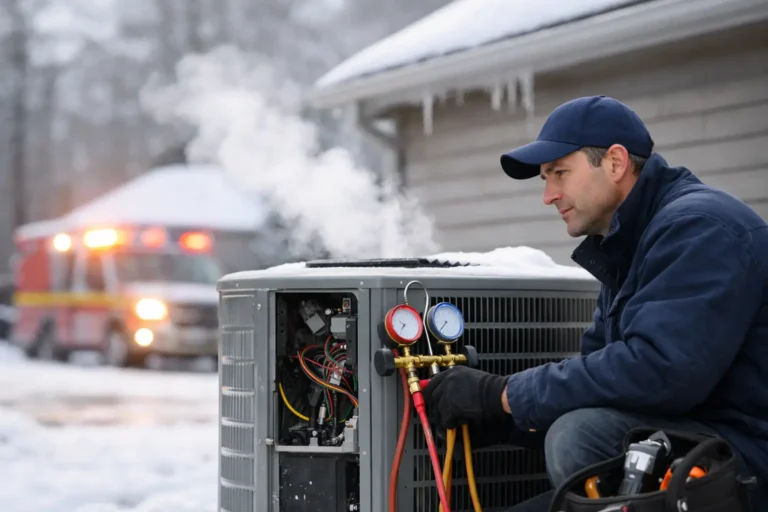
A gas fireplace that will not light on a cold evening is frustrating. A fireplace that lights inconsistently, smells of gas, or will not shut off properly needs more than a quick reset. Fireplace gas valve repair is safety-critical work because the valve controls the fuel entering the appliance. When there is any doubt about its condition, stop using the fireplace and arrange for a licensed gas technician to inspect it.
What the gas valve does in your fireplace
The gas valve is the control point between your home’s gas supply and the fireplace burner. Depending on the fireplace model, it may work with a standing pilot, a wall switch, a remote control, a thermostat, or an electronic ignition system. It opens only when the appliance receives the proper signal and safety conditions are met, then regulates gas flow to the pilot and main burner.
Because several parts work together, a fireplace that fails to start does not automatically have a bad valve. The problem could be a weak thermocouple, a failed thermopile, low batteries in the receiver or remote, damaged wiring, a blocked pilot assembly, an ignition issue, or an interruption in the gas supply. Proper diagnosis matters. Replacing a part without confirming the cause can leave the original fault unresolved and create an unnecessary expense.
A qualified technician tests the complete ignition and safety sequence, checks gas pressure where appropriate, and inspects the valve and connected components for signs of wear, damage, or improper operation. The goal is not simply to get a flame back. It is to restore safe, dependable operation.
Signs you may need fireplace gas valve repair
Some valve problems are obvious, while others start as intermittent issues that become more frequent over time. Arrange service if you notice one or more of these concerns:
- The fireplace will not turn on even though the pilot is lit and the switch or remote is working.
- The burner turns off unexpectedly, takes several attempts to light, or only lights intermittently.
- The flame is unusually weak, delayed, uneven, or behaves differently from normal operation.
- The fireplace continues running when it should shut off, or the control knob feels loose, stiff, or damaged.
- You hear unusual clicking, humming, or repeated attempts to ignite without a stable flame.
A small change is worth checking before fireplace season is in full swing. Intermittent operation is especially easy to ignore because the unit may work again later. That does not mean the condition has corrected itself. It can point to a failing electrical component, dirty pilot assembly, or valve control issue that needs attention.
A gas smell requires immediate action
If you smell gas around the fireplace or elsewhere in the building, do not try to relight the appliance or diagnose the source yourself. Do not operate electrical switches, use a phone near the suspected leak, light a match, or start a vehicle nearby. Leave the area, move to a safe location, and contact emergency services and your gas utility according to their emergency instructions.
Do not return to use the fireplace until the source has been identified and the system has been cleared for safe operation. A gas odour is not a wait-and-see situation.
Why a fireplace valve may fail
Gas valves are designed for safe operation, but they are mechanical and electrical components that can wear over time. Age is one factor, particularly in fireplaces that have seen many heating seasons. Internal solenoids, wiring terminals, control switches, and safety circuits can all deteriorate.
Moisture, corrosion, dust, insects, and debris can also affect fireplace components. A pilot flame that is dirty or improperly positioned may not heat the safety sensor correctly. In that case, the valve may be functioning as designed by refusing to open the main burner. This is one reason a complete inspection is more useful than assuming the valve itself is at fault.
Power-related issues can cause similar symptoms. Remote receivers and electronic ignition systems may have depleted batteries, poor connections, or failed modules. A technician can separate a minor control issue from a gas valve failure, then recommend the repair that makes sense for the age and condition of the fireplace.
What a professional repair visit should include
Safe gas work starts with confirming the appliance is shut down and checking for hazards. The technician will review the symptoms, inspect the fireplace controls and visible gas connections, and test the ignition system. They may assess the pilot flame, thermocouple or thermopile output, switch circuit, receiver, and valve response before deciding whether the valve requires repair or replacement.
If a replacement is needed, the correct part must match the fireplace manufacturer’s specifications and the appliance’s fuel type. A valve is not a universal component. Installing an incorrect valve or altering gas controls can compromise ignition, combustion, and built-in safety functions.
After the repair, the fireplace should be tested through a normal lighting and shutdown cycle. The technician should confirm stable burner operation and verify that the safety controls respond correctly. For homeowners, that means clearer answers: what failed, what was repaired, and whether any maintenance should be scheduled before the next heating season.
Do not attempt a DIY gas valve repair
Changing batteries in a fireplace remote or checking that a wall switch is on may be reasonable owner-level troubleshooting. Opening gas controls, disconnecting gas piping, adjusting pressure, bypassing a safety device, or replacing a valve is not. These tasks require the right training, testing equipment, and licensed gas work.
There is also a practical reason to avoid a trial-and-error repair. Gas fireplace parts can be expensive, and symptoms often overlap. Replacing a valve when the real problem is a pilot assembly or low-voltage control can waste money without fixing the issue. More seriously, a poorly installed gas component can create a leak, unreliable ignition, or combustion concern.
If the fireplace is not operating normally, turn it off and leave the repair to a licensed and insured professional. Keep the fireplace manual available if possible, but do not remove panels or attempt to force a stuck valve control.
Repair or replacement: what makes sense?
Whether to repair the valve, replace it, or consider a broader fireplace service depends on the diagnosis. If the issue is a worn switch, weak thermopile, loose connection, or dirty pilot assembly, a targeted repair may restore operation at a reasonable cost. If the valve has failed internally or is no longer available for an older unit, replacement may be the appropriate path.
The fireplace’s age and overall condition matter too. A newer fireplace with an otherwise sound burner, firebox, venting system, and controls is often a good repair candidate. An older unit with repeated ignition failures, corroded components, unavailable parts, or ventilation concerns may warrant a discussion about longer-term options. The right decision should be based on safety, reliability, parts availability, and value – not a guess made from one symptom.
For rental and commercial properties, prompt service also helps avoid avoidable tenant complaints, cold common areas, and last-minute emergency calls. Documenting repairs and arranging seasonal inspections can make budgeting and maintenance planning easier.
Prevent problems before fireplace season
A gas fireplace does not need daily attention, but it should not be forgotten for years at a time. Before regular fall and winter use, arrange a professional inspection and service. This provides an opportunity to check ignition, burner operation, venting, safety components, and visible gas connections before the fireplace becomes part of your daily heating routine.
Between appointments, keep the fireplace area clear, follow the operating instructions for your model, and pay attention to changes in flame appearance or startup behaviour. Avoid using the fireplace if glass, controls, or surrounding components are damaged. A clean-looking unit can still have a control or gas-supply issue, so performance changes deserve a professional assessment.
For property owners in Burlington and nearby communities, AirTemp HVAC can provide licensed gas fireplace diagnostics and repair when a valve or related control system needs attention. Same-day service may be available for urgent concerns, while planned maintenance helps reduce the chance of a no-start fireplace when temperatures drop.
A fireplace should add comfort, not uncertainty. If yours is slow to light, shuts down unexpectedly, or gives you any reason to question its safety, leave it off and have the system checked before using it again.