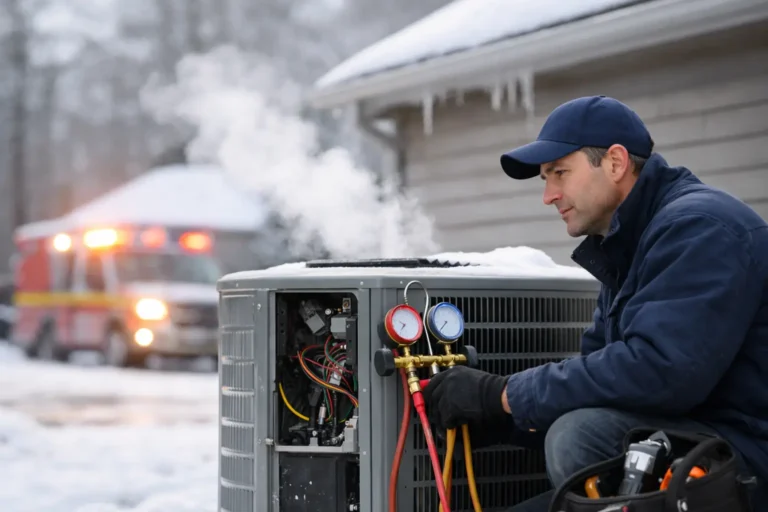
A furnace that stops on a cold night, an air conditioner blowing warm air during a heat wave, or a suspected gas issue cannot wait for vague answers. When you are looking for the best Oakville HVAC company, you need a contractor that can assess the problem clearly, complete the work safely, and help prevent the same issue from disrupting your property again.
The right choice is not always the contractor with the lowest quoted number or the first available appointment. HVAC and gas systems affect comfort, operating costs, equipment life, and household safety. A dependable provider should make the process straightforward: diagnose the issue, explain the options, provide clear pricing, and carry out licensed work that is built to last.
What the Best Oakville HVAC Company Should Offer
A capable HVAC contractor should be prepared to support the full life of your equipment, not just respond when something fails. That includes installation, repair, maintenance, inspections, and practical advice on when a repair still makes sense versus when replacement is the better long-term value.
For homeowners, that may mean restoring heat quickly, repairing an aging air conditioner, maintaining a heat pump, or connecting a new gas BBQ or fireplace safely. For landlords and commercial property managers, it may involve keeping tenants comfortable, reducing unexpected downtime, and planning maintenance around a busy building schedule.
Licensed and insured work
Heating, cooling, ventilation, and gas work should never be treated as a casual repair. Furnaces, water heaters, fireplaces, gas piping, electrical controls, and combustion equipment all require the right training and careful testing.
Ask whether the contractor is licensed and insured for the scope of work required. This matters especially for gas line installation or repair, water-heater connections, fireplace work, and any situation involving combustion or a possible gas leak. Proper work protects the people in the property and helps avoid expensive corrections later.
A professional technician should also be willing to explain what they found in plain language. You do not need a technical lecture, but you should understand the condition of the equipment, what repair is recommended, and what could happen if the issue is left unresolved.
Fast help when comfort or safety is at risk
Response time matters when a furnace fails in winter or a cooling system stops during extreme heat. It matters even more when you smell gas, hear unusual hissing near a gas line, notice soot around gas appliances, or suspect carbon monoxide concerns.
The best service provider has a clear process for urgent calls, including same-day repair when possible and 24/7 emergency support for serious heating, cooling, or gas-system issues. Availability alone is not enough, however. The technician should arrive prepared to diagnose the issue safely rather than simply offer a temporary guess.
If you suspect a gas leak, leave the area, avoid switches, flames, and electrical devices, and contact emergency services or your gas utility as appropriate. Do not attempt to locate or repair the source yourself. Once the immediate situation is safe, a qualified gas technician can inspect and repair the system.
Look Beyond the Initial Repair Price
Price matters, and property owners deserve clear, value-focused pricing. But the cheapest repair is not always the least expensive outcome. A low quote that skips proper diagnostics, uses unsuitable parts, or does not address the actual cause of a failure can lead to another service call soon after.
A trustworthy estimate should identify the work being proposed and distinguish between urgent repairs and optional improvements. For example, a failed furnace igniter may be a straightforward repair, while repeated breakdowns on an older furnace may justify a conversation about replacement. Neither answer is automatically right. It depends on the equipment’s age, repair history, efficiency, condition, and the cost of the required repair.
The same approach applies to air conditioners and heat pumps. A simple capacitor, contactor, drain, or thermostat issue can often be repaired cost-effectively. A compressor problem, refrigerant leak, or severely worn system may require a more careful cost comparison. A good contractor gives you the information needed to decide without pressure.
Ask About Maintenance Before You Need Another Repair
Preventative maintenance is one of the most practical ways to protect heating and cooling equipment. It is not a guarantee that nothing will ever fail, but it can catch worn components, airflow restrictions, drainage problems, ignition issues, and efficiency concerns before they become an emergency.
Regular service is particularly valuable for properties with older equipment, rental units, high-use commercial systems, or homes where reliable heating and cooling are essential. During an annual inspection, a technician can check operating performance, safety controls, filters, burners, electrical connections, condensate drains, and other components that affect dependable operation.
Maintenance contracts can also make scheduling easier. Rather than trying to remember seasonal service, you have a plan for inspections before the heaviest heating or cooling demand arrives. That can mean fewer surprises when the weather changes.
Choose a Contractor With the Right Service Range
Many property owners prefer one reliable provider for their major comfort and gas-system needs. It simplifies service records, reduces the need to explain the property setup repeatedly, and gives the technician a better understanding of the equipment over time.
When comparing HVAC companies, check whether they can support the systems you actually have. A full-service contractor may handle furnace repair and installation, air conditioning service, heat pumps, ventilation concerns, preventative maintenance, annual inspections, water heaters, fireplaces, and gas lines for appliances such as BBQs.
This is especially helpful when problems overlap. For example, poor airflow may involve more than an air conditioner. A furnace that runs but does not distribute heat well may involve filters, ductwork, blower components, controls, or ventilation issues. A technician who looks at the whole system is more likely to identify the real source of the problem.
Questions Worth Asking Before You Book
You do not need to become an HVAC expert before calling for service. A few direct questions can tell you a great deal about how a contractor works. Ask whether the work will be completed by licensed, insured technicians; whether emergency service is available; how estimates are explained; and whether maintenance plans are offered after the immediate repair is complete.
It is also reasonable to ask what to expect during the visit. Will the technician diagnose before recommending repairs? Will they explain repair and replacement options if the equipment is older? Are permits or additional safety checks required for the planned gas work? Clear answers are a good sign that the company respects your time and your property.
For commercial locations, ask about appointment coordination, maintenance scheduling, and response plans for equipment failures that affect staff, tenants, or customers. A contractor that understands operational downtime can help you plan ahead rather than react at the worst possible time.
Local Service Makes Follow-Up Easier
A local contractor serving Oakville and nearby communities can offer practical advantages, particularly when you need prompt service or follow-up. Familiarity with the area supports efficient scheduling, and an established local team has a reason to protect its reputation through dependable work.
AirTemp HVAC Heating & Air Conditioning provides licensed and insured heating, cooling, ventilation, and gas services for residential and commercial properties, with same-day and emergency support available when urgent issues arise. Whether the need is a repair, a seasonal inspection, a new installation, or safe gas-line work, the goal should be the same: restore comfort, protect safety, and give you a clear path forward.
Before the next cold snap or hot stretch puts your equipment to the test, book an inspection or address the small issue you have been putting off. A timely service visit can be the difference between a planned repair and a long, uncomfortable emergency call.