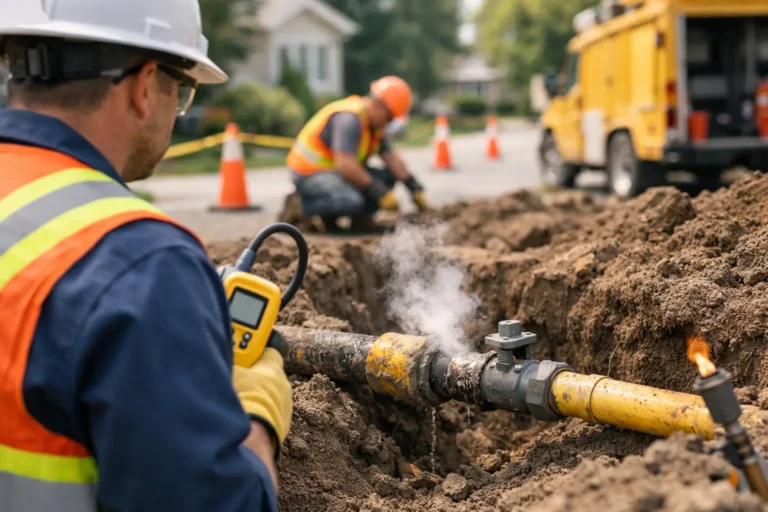
A furnace failure at 2 a.m. is not the time to scroll through dozens of emergency heating service reviews and hope the highest star rating tells the whole story. When a home, rental unit, shop, or office is getting cold, you need clear signs that a contractor will answer, arrive prepared, work safely, and explain the repair before the bill is due.
Reviews can help you make that call with more confidence. The key is reading beyond the rating. A useful review tells you how a company handled a real problem under pressure, not simply whether the customer was happy at the end of a routine visit.
What Emergency Heating Service Reviews Should Tell You
The best reviews describe the situation, the response, and the result. Look for details such as a furnace that stopped producing heat, an ignition issue, an unusual smell, a commercial rooftop unit failure, or a heating problem during a cold snap. Specifics make a review more credible and help you see whether the contractor has experience with problems like yours.
Pay close attention to response time. “They came quickly” is helpful, but a stronger review explains that the technician returned a call after hours, provided an arrival window, arrived when promised, or offered same-day repair when the household had no heat. Emergencies are stressful enough without wondering whether anyone is actually on the way.
You should also look for comments about communication. A heating technician should be able to explain the issue in plain language, outline the repair options, and let you know if a part must be ordered. Not every breakdown can be fixed in one visit. A dependable contractor will be honest about that, offer safe temporary guidance where possible, and follow through on the next step.
Look Past the Star Rating
A five-star average is a positive signal, but it is only the beginning. Read a range of recent reviews, including a few that are less than perfect. A business that has worked through a concern professionally may be more reassuring than one with only short, generic praise.
Recent feedback matters most because staffing, availability, and service processes can change. Prioritize reviews from the last several months, especially those referring to cold-weather calls or after-hours repairs. You want a current picture of how the company manages urgent work, not a reputation built years ago.
It also helps to notice patterns. If several customers mention prompt callbacks, clean work areas, clear estimates, respectful technicians, or successful repairs, those repeated details carry more weight than one glowing comment. On the other hand, repeated concerns about missed appointments, unclear charges, or poor follow-up deserve attention.
Be careful with reviews that offer no useful information. “Great service” may be genuine, but it does not tell you whether the company can diagnose a no-heat call safely or provide reliable support after business hours. Detailed feedback is more valuable than volume alone.
Signs of a Safe and Professional Heating Repair
No-heat calls can involve electrical components, combustion equipment, venting, carbon monoxide concerns, or natural gas connections. Reviews should give you confidence that the contractor treats those risks seriously.
Look for references to licensed and insured work, careful diagnostics, safety checks, and clear explanations. A proper emergency visit should not be rushed just because it is urgent. The technician needs to identify why the equipment stopped working, check for related concerns, and confirm the system is operating safely before leaving.
For gas-fired furnaces, water heaters, fireplaces, and related gas work, professionalism includes respecting the limits of the repair. If an unsafe condition is found, the right answer may be to shut down equipment, explain why, and recommend the proper repair or replacement. A review that praises a technician for taking time to address a safety issue is often more meaningful than one focused only on speed.
If you smell gas, suspect a gas leak, or a carbon monoxide alarm sounds, do not wait to compare reviews. Leave the building if it is safe to do so, avoid switches and open flames, and contact emergency services and your gas utility from outside. Once the immediate danger is addressed, arrange qualified service for the affected system.
Pricing Comments Need Context
Emergency service costs can be higher than scheduled daytime work. After-hours availability, travel, diagnostic time, and parts all affect the final price. A review that simply says a repair was “expensive” does not necessarily mean the charge was unreasonable.
More useful comments explain whether the customer received an estimate, understood the diagnostic fee, approved the repair before work began, and received an itemized invoice. Transparent value-focused pricing does not always mean the lowest number. It means you understand what is being done, why it is necessary, and what the cost covers.
Be wary of any expectation that a technician can quote an exact repair price before inspecting the equipment. A no-heat condition can be caused by a thermostat setting, a failed igniter, a pressure switch issue, a blower motor problem, a blocked vent, a control board fault, or several connected issues. Accurate pricing starts with accurate diagnosis.
For property managers and business owners, ask whether the review mentions documentation and follow-up. A clear service record can make future maintenance, tenant communication, budgeting, and warranty discussions much easier.
Reviews That Match Your Property and Equipment
A homeowner with a single furnace and a facility manager responsible for several units do not have identical needs. Read reviews with your situation in mind.
For a house or condo, comments about respectful entry, protecting floors, explaining thermostat operation, and restoring heat quickly can be especially useful. Landlords may value reliable tenant communication and documented repairs. Commercial customers may need evidence that a contractor understands access requirements, operating hours, rooftop equipment, multiple zones, and the cost of downtime.
Equipment type matters as well. A company may receive excellent feedback for air conditioning but have fewer details about furnaces, boilers, heat pumps, ventilation, or gas piping. When heat is out, choose a contractor whose reviews and service information show relevant experience with your equipment.
In Burlington and nearby communities, winter weather can turn a minor heating issue into an urgent call quickly. Local service coverage can be valuable, but do not assume proximity alone guarantees a fast response. Look for evidence of actual after-hours availability, organized dispatching, and technicians equipped to diagnose common failures.
Questions to Ask Before You Book
Reviews should narrow your choices, then a short phone call should confirm the essentials. Ask whether emergency service is available now, what the expected arrival window is, and whether there is a diagnostic or after-hours charge. Explain the equipment type, the symptoms, and whether you have noticed unusual noises, odours, error codes, leaks, or repeated cycling.
You can also ask whether the technician is licensed and insured, whether common replacement parts are carried, and how the repair will be approved if additional work is needed. A professional team should answer directly without pressuring you into a decision before the equipment has been inspected.
If your heat has returned after resetting a breaker or thermostat, do not assume the issue is solved. Intermittent failures often return at the worst time. Reviews that mention a technician finding the root cause, rather than applying a quick temporary fix, are worth noting.
A Better Way to Use Reviews During a No-Heat Call
Use reviews to identify a service provider that demonstrates urgency, safety, communication, and accountability. Then focus on providing accurate information when you call. Clear details help the dispatcher send the right technician and help the technician arrive ready to diagnose the problem.
AirTemp HVAC provides licensed and insured heating, cooling, and gas-system service, including same-day and 24/7 emergency repair support when available. Whether the issue is a furnace that will not start, weak airflow, a heat pump problem, or a gas-related concern, the goal should be the same: restore safe, dependable comfort without leaving you guessing about the work.
When you read reviews with a practical eye, you are not just choosing who can get there fast. You are choosing who you can trust inside your property when the heat matters most.